
Published:
Updated:
Published:
Updated:
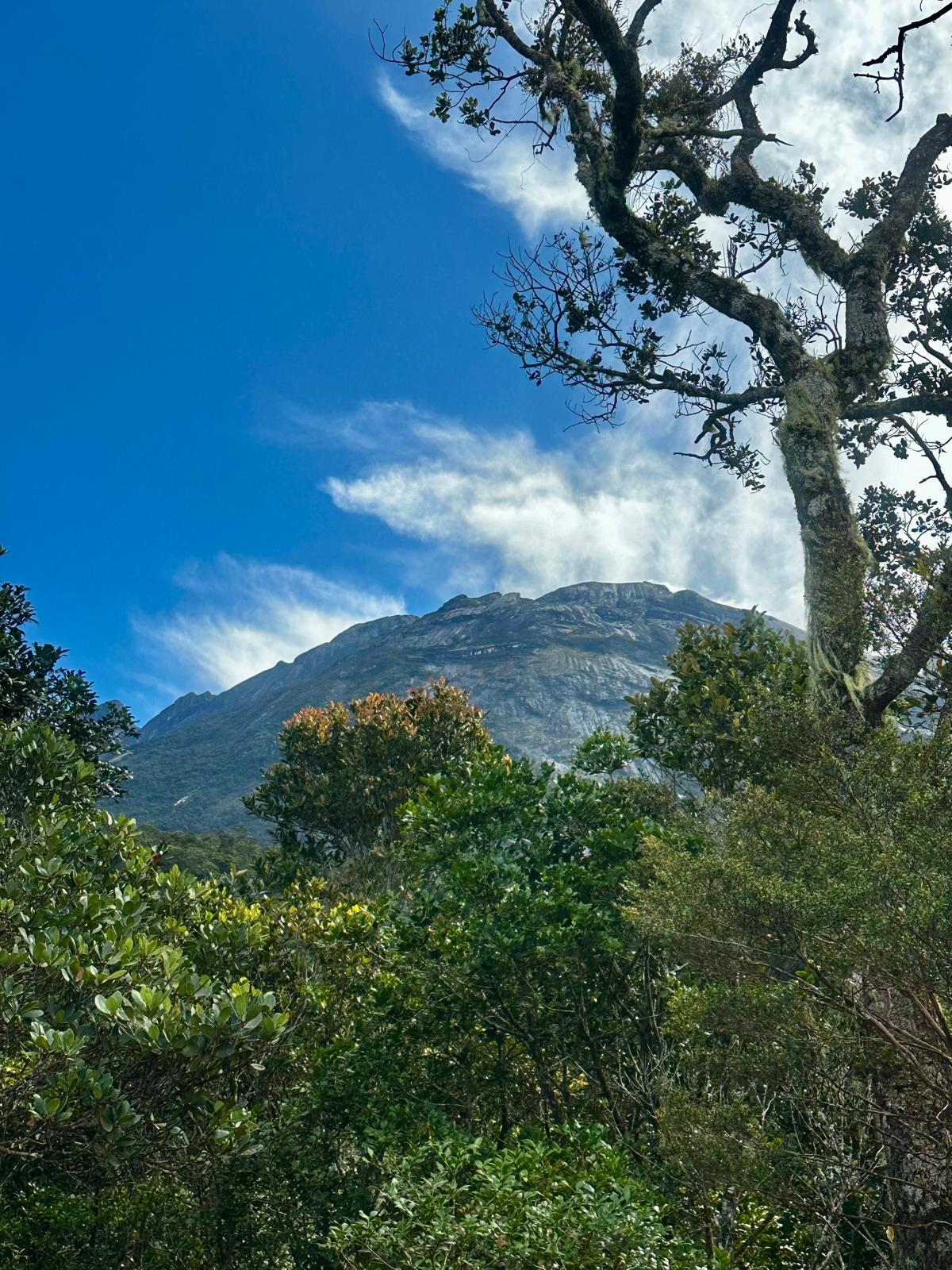
Sabah offers something most destinations can’t. Variety without compromise. You can climb Malaysia’s highest mountain, snorkel in some of the clearest waters in Malaysia, explore cool highland villages, and eat food you genuinely won’t find anywhere else, all in one trip.
I spent 8 days here and left with zero regrets. This guide breaks down exactly why Sabah should be your next trip and how to make the most of it.

Sabah is located on the eastern side of Malaysia, on the island of Borneo, and is the country’s second largest state. It spans a surprisingly varied landscape: tropical islands and beaches on the coast, dense rainforests inland, and cool highland regions like Kundasang. At the centre of it all is Mount Kinabalu, standing at 4,095 metres and recognised as a UNESCO World Heritage Site.
What makes Sabah stand out beyond its scenery is its people. With over 30 ethnic groups, including the Kadazan-Dusun, Bajau, and Murut, the state has a strong cultural identity that shows up in its markets, festivals, and food. It’s a side of Malaysia that feels noticeably different from the west, and that contrast is a big part of what makes it worth visiting.
For most first-time visitors, 7 to 8 days is enough to explore Kota Kinabalu and Kundasang in depth. If you’re adding Semporna to your itinerary, budget at least 3 extra days. It’s roughly a 6-hour drive from Kota Kinabalu, or a short domestic flight if you prefer to save time.
Note that Grab requires a Southeast Asian (Singapore, Malaysia, Thailand, Vietnam, Cambodia, Indonesia, the Philippines & Myanmar) phone number to register, so make sure you set this up before your trip if you’re travelling from outside the region. Sign up for a local SIM card for a local phone number.
Bringing more cash is desired if you plan to try more local foods while you can use a card for transportation by registering for Grab.
The best time to visit Sabah is generally between March and September, when rainfall is lower, and conditions are ideal for outdoor activities such as climbing Mount Kinabalu, island hopping, snorkelling, and sightseeing.
March to September (Dry Season)
October to February (Rainier Season)

One of the most adventurous experiences you can do in Sabah is climbing Mount Kinabalu, especially if you’re up for a real physical and mental challenge. The trek is demanding but incredibly rewarding, offering breathtaking views and a true sense of achievement at the summit. However, booking in advance is essential, as permits and climbing slots are limited and tend to sell out quickly, particularly during peak travel seasons. It’s highly recommended to plan and secure your climb at least a few months before your trip to avoid disappointment. If you’re interested, I’ll be sharing a more detailed guide on the experience in a separate article.

This beach is a great spot to catch the sunset, especially with its open views and calm coastal atmosphere. Since Sabah is located further east compared to Peninsular Malaysia, the sun tends to set earlier, usually around 5.30 pm, so it’s important to arrive ahead of time to secure a good viewing spot. As the sky begins to change colours, the beach quickly becomes more vibrant with golden and orange hues reflecting off the water.
However, it can also get quite crowded with other tourists during sunset hours, all gathering for the same view. This sometimes makes it a bit challenging to find a clear spot for photos or to capture yourself with the sunset in the background. Despite the crowds, the overall experience is still worth it, as the combination of scenery, light, and atmosphere creates a really memorable moment.

Consider visiting Mantanani Island instead of the Tunku Abdul Rahman Marine Park if you have a full day to spare for snorkelling. Mantanani Island is more remote and less crowded, making it ideal for water activities and a more relaxed experience in the sea.
It is located about a 2.5-hour drive from Kota Kinabalu, followed by an additional hour-long ferry ride to reach the island. While the journey is longer, many visitors find it worthwhile due to the clearer waters and quieter surroundings.
You can easily book a day tour for this experience. I booked mine through Klook, which included hotel pick-up and drop-off, a buffet lunch, and full snorkelling equipment. Photos and video services are not included in the package, but you can request them for an additional RM20 if you want memories of the trip.
Going on a tour is also convenient because they take you to multiple snorkelling spots around the island, maximising your time in the water. If you have a diving certification, you can also opt for diving instead of snorkelling, depending on your preference.
Mantanani island tour on klook

Most people associate Malaysian tea with Cameron Highlands, but Sabah quietly produces its own. The cool highland climate here lends itself well to tea cultivation, resulting in leaves with a smooth, lighter flavour that sets them apart. Black tea is the plantation’s most popular variety, but there is enough on offer to keep tea lovers occupied.

Entry to the plantation is free, and wandering through the rolling greenery is a peaceful way to spend part of your day. There is also an on-site restaurant serving a variety of flavoured teas alongside main dishes and desserts, making it a nice spot to relax after exploring the plantation.
Before leaving, don’t forget to pick up some tea bags as souvenirs to bring home. It’s best not to store the tea bags for too long, as their fragrance and flavour may fade over time.

Just a 30-minute drive from Kundasang, paragliding is one of the most unforgettable outdoor activities you can try in Sabah. It may seem intimidating but the experience is surprisingly smooth and peaceful, more like gently floating than a high-speed adventure. The take-off point sits at approximately 2,200 metres above sea level, and flights typically last at least 5 minutes. On warmer days, the rising hot air helps keep you airborne longer, allowing you to stay in the air for an extended glide.
No advance booking is required, making it easy to include as a spontaneous stop on your Kundasang itinerary. However, if a tour group arrives ahead of you, expect a waiting time of around 1.5 hours. Want to bring the memory home? You can also add a GoPro recording for RM20 to capture the experience. Just remember to remind the staff that you paid for the GoPro add-on when they’re fitting you with the harness and parachute.
Ranau Paragliding Park location

A popular tourist attraction in Kundasang, this farm is well known for its locally produced fresh milk. It’s definitely worth trying the original plain milk, which tasted noticeably different from the Australian-imported milk I usually drink back home in Singapore. The chocolate milk, however, was a little too light for my liking and not rich enough in chocolate flavour.

While you can easily find their bottled milk in convenience stores around Sabah, the gelato is something you can only get at the farm itself, so it’s a must-try. A cup costs RM6.50, and you can add toppings for RM1.50 each.

Besides the food and drinks, you can also spend some time interacting with the animals. Feeding the cows and goats costs RM1 for a bundle of grass and RM1.50 for a bottle of milk. The farm also allows visitors to observe how the milk is processed and packaged at no additional charge.
After feeding the animals and enjoying the desserts, you can take a relaxing stroll through the farm’s small flower garden.

A visit to the Kundasang local market is a great opportunity to discover fresh, locally grown produce, including varieties you may have never come across before. Two standouts worth looking out for are the Queen Sabah Avocado, known for its distinctive yellow flesh, and wild ferns (Paku Pakis), a local green that’s rarely found outside of Sabah.
The Queen Sabah Avocado is available in ready-sliced packs for a convenient, no-fuss tasting experience. Its texture is notably creamy, with a flavour profile surprisingly reminiscent of jackfruit, quite unlike the avocados most visitors are used to. It’s a unique enough experience to try at least once, even if it’s not for everyone.
If Paku Pakis catch your eye, the best way to enjoy them is by ordering them at a nearby seafood or Chinese restaurant. Lightly stir-fried, they deliver a satisfying crunch and a fresh, earthy flavour well worth ordering for the experience alone, especially given how rarely they appear outside of Borneo.
Just next to the market, a small Pasar Malam (night market-style food street) offers a selection of local snacks and drinks. Don’t leave without trying Lekor Lekor (crispy fried fish sticks) that make for a perfect on-the-go snack alongside refreshing local drinks like Bandung (rose syrup milk).

If you want mountain views without the physical demand of climbing Mount Kinabalu, Sosodikon Hill is a great alternative. The trail is short and manageable, consisting mostly of a few flights of stairs that most visitors can handle without much difficulty.

The views from the top are genuinely impressive. On a clear day you get an open, unobstructed view of the surrounding mountains that makes the climb well worth it. That said, visibility is heavily dependent on the weather, so timing your visit on a clear day makes a big difference.
Entrance is RM10, and for what you get is a straightforward hike with rewarding views. Definitely worth a visit.

Although I didn’t get to visit Mari Mari Cultural Village because it was fully booked, it’s clearly one of the most popular attractions in Sabah. Based on its popularity and the experiences shared by other travellers, it’s an attraction worth considering, especially if you’re interested in local culture.
The ticket price is RM130, which includes the guided tour, cultural performances, and lunch. If you’re planning to visit, it’s probably best to book in advance to avoid disappointment.

Alpaca Club is a small animal petting space where you can interact with alpacas, rabbits, guinea pigs, and hedgehogs. You can pet the animals, take photos, and buy feed for RM3–5 per portion. The place isn’t large and most visitors will be done within 30 minutes.
Entrance is RM20 per person. It’s worth it if you genuinely enjoy being around animals, but if that’s not your thing, it’s easy to skip.
Sabah is known for its unique local dishes, many of which are quite different from what you’ll find in Sarawak or Peninsular Malaysia. Some of the most famous food in Sabah include Tuaran mee, fresh seafood, Sinalau Bakas (smoked pork), and local vegetables like paku pakis (wild fern).
During my trip, I focused on trying a few of these well-known dishes and will only be recommending the ones I genuinely found worth it.

One of the most famous traditional dishes in Sabah is Sinalau Bakas, a smoked pork dish originating from the Kadazan-Dusun community.
Located along the roadside between Kota Kinabalu and Kundasang, this stall surprisingly attracts many locals and tourists despite its remote location.
Their speciality is smoked pork, which can be enjoyed with dukun rice (rice wrapped in leaves). It used to be made with wild boar, but nowadays it is rare to find stalls still serving true wild boar due to population decline and swine fever outbreaks.

The pork skin is cooked until crispy, and the meat is slowly smoked over time to achieve its rich flavour. It does take a while to prepare, but the result is worth the wait. I paid RM25 for 500g, which is enough to share between two people.

In Kota Kinabalu, it is quite difficult to find stir-fried paku pakis (wild fern) in most city restaurants. However, if you travel to Kundasang, it is much easier to come across this dish as it is more commonly served there.
I would recommend trying it, as it is cooked to the right texture, not too soggy or too hard, while still keeping its natural crunchiness.
The hotplate tofu was also very good, with a soft texture and generously coated in savoury meat sauce, making it a comforting side dish to the meal.
Before this trip, I knew Sabah mostly for Mount Kinabalu. What I didn’t expect was how different each day felt from the last: highland farms in the morning, paragliding by afternoon, and a roadside smoked pork stall somewhere in between.
That variety is what makes Sabah hard to put into a single category. It’s not purely an adventure destination, nor is it a typical beach holiday. It sits somewhere in between, and that’s exactly what makes it work for most types of travellers.
If it’s your first visit, don’t rush Kundasang. The cooler weather and concentration of activities make it the most rewarding part of the trip, and it’s easy to underestimate how much time you’ll want to spend there. Kota Kinabalu is worth a day or two but treat it as a base rather than the destination itself.
Sabah exceeded what I came for. 8 days felt like a good amount of time, and I still left with a list of things to come back for.
Leave a Reply