
Published:
Updated:
Published:
Updated:
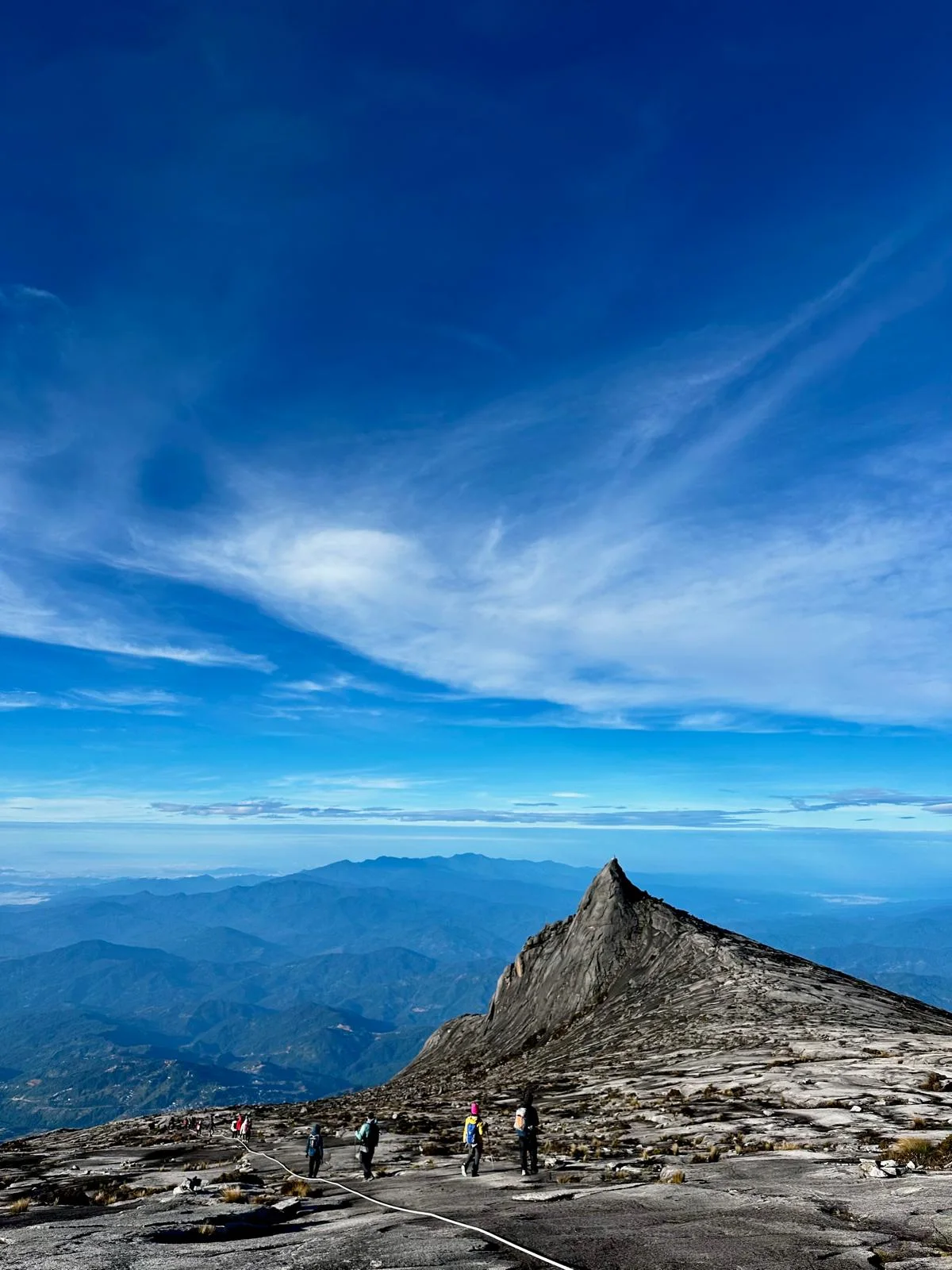
Mount Kinabalu, located in Sabah, Malaysia, is one of the most iconic hiking destinations in Southeast Asia. Standing at 4,095 metres above sea level, it is not only the tallest mountain in the country but also a UNESCO World Heritage Site. It is also a bucket-list destination for many hikers.
This was my first mountain hike. I booked the trip without thinking too much about the difficulty, not because I was particularly fit, but because I wanted to experience the thrill of climbing a real mountain so close to home. From Singapore, it’s just a 2.5-hour flight away, which made the adventure feel even more accessible. Spoiler: it’s harder than it looks, and I’ll get into exactly why below.
Mount Kinabalu is located in Kundasang, approximately a 2-hour drive from Kota Kinabalu International Airport. If you book a climbing tour package, transport to and from the airport is often included. Otherwise, here are a few ways to get there:
Although Mount Kinabalu can be climbed year-round, choosing the right season can significantly impact your experience. For the best weather and clearer views, it is recommended to visit between March and September, which is generally the dry season.
From October to February, the region experiences the rainy season. Hiking during this period comes with increased risks, such as slippery trails and limited visibility. In some cases, adverse weather conditions may also prevent climbers from hiking up the summit due to safety concerns.
Weather conditions vary significantly throughout the trek, with noticeable changes across different elevations. At the starting point, temperatures can reach around 27°C. As the elevation increases over the course of the trek, temperatures gradually drop, eventually reaching as low as 0°C. However, snowfall is rare.

Permits for Mount Kinabalu should be booked 4–6 months in advance, as availability is limited to around 160–170 climbers per day. You can make your booking through the official website.
All climbers are required to be accompanied by a licensed mountain guide, with a ratio of one guide to every five climbers. If needed, porter services are also available, with fees typically charged per kilogram of luggage.
For the most up-to-date information and pricing, refer to the official website.
There are two main ways to experience Mount Kinabalu: the standard summit climb and the via ferrata route.
The standard route is the most common option, taking you to the summit (Low’s Peak) and back over 2 days and 1 night. It does not require much technical skills but is physically demanding due to the steep ascent and high altitude.
The via Ferrata is an optional add-on for those seeking more adventure. It involves navigating steel cables and ladders along the rock face, usually on the descent after the summit. There are two options: Walk the Torq (shorter and beginner-friendly) and Low’s Peak Circuit (longer and more challenging).
For most first-time climbers, the standard route is sufficient, while the via Ferrata offers an extra challenge for those looking to push themselves further.

The trek begins at an elevation of 1,866 metres, immediately greeting you with a seemingly endless series of stairs, some of which are steep and demanding. For those who regularly train their leg muscles, the climb to Panalaban Base Camp is relatively manageable.
However, the second day’s ascent to the summit presents a different set of challenges. Climbers must endure strong, cold winds, and the drop in temperature combined with thinner air can feel overwhelming. Certain sections of the climb also require you to pull yourself up using fixed ropes, adding a more physically demanding element to the journey.
During the descent, the main challenge lies in maintaining balance while navigating steep slopes. As for the via ferrata route, I am unable to comment as I have not personally experienced it.
Day 1 (Transport from airport to Kundasang)
| Time | Activity |
| 18:30 | Dinner |
| 19:30 | Briefing by tour organiser |
Day 2 (Hike to Base Camp)

| Time | Activity |
| 07:30 | Report to Kinabalu Park HQ (registration & permit check) |
| 08:00 | Transport to Timpohon gate |
| 08:30 | Start hike (6km) |
| 12:00 | Lunch at Layang Layang shelter |
| 15:00 | Arrive at Panalaban Base Camp |
| 16:30 | Dinner at the Base Camp |
| 18:00 | Rest / Sleep |
Day 3 (Summit hike)

| Time | Activity |
| 01:00 | Wake up call |
| 01:30 | Pre-hike breakfast |
| 02:30 | Start summit climb (2km) |
| 05:30 | Cut-off time to reach Sayat-Sayat checkpoint |
| 07:00 | Reach Low’s Peak |
| 07:30 | Begin your descent to Base Camp (2km) |
| 10:00 | Lunch at Base Camp |
| 10:30 | Descend to Timpohon gate (6km) |
| 16:30 | Cut off time to reach Timpohon gate |
| 17:00 | Transport to the HQ |
| 17:15 | Collect your summit certificate & any stored luggage |


Foreign visitors are limited to Panalaban Hostel, while Malaysian citizens and PR holders have the option of staying at Lemaing Hostel. Both hostels offer dormitory-style rooms accommodating 10 to 15 guests, with en-suite facilities consisting of 3 toilet cubicles shared between both genders. Panalaban Hostel provides single beds, while Lemaing Hostel is equipped with bunk beds.
All meals at the base camp are served buffet-style. As ingredients are manually transported up the mountain by porters, guests are encouraged to take only what they can consume to minimize food wastage. Recommended dishes include fried noodles, meat, and tea. It is advisable to avoid the plain white rice, as it tends to be cooked soggy and is generally not enjoyable.
Both cold and hot water dispensers are available just outside the dormitory for guests’ convenience. Nearby, there is also a post office where visitors can purchase postcards and send them via the postbox. It is notably the highest postbox in Southeast Asia.

Climbers may experience altitude sickness during the ascent. If you find yourself short of breath, it is recommended to rest and drink warm water to help ease the symptoms. Showering at high altitude is not advisable, especially when experiencing symptoms, as it can worsen breathlessness. For those who already encounter symptoms at the base camp, it is advisable to take altitude sickness medication before proceeding to the summit.
During the descent, it is common to experience toe pain due to the prolonged downhill pressure on your feet. It is recommended to wrap your toes with plaster beforehand, or to ensure there is sufficient cushioning between your toes and shoes to minimize discomfort.
Pitcher plant (Nepenthes)

Common sight in the park.
Kinabalu Squirrel
The Kinabalu squirrel is a common sight along the trail during your hike. These bold little creatures are known to approach hikers closely and may even climb up onto you in an attempt to steal food, so keep a firm hold on your snacks.
Other fascinating wildlife and biodiversity, such as the Rafflesia flower, leopards, sun bears, and deer are rarely spotted along the trail and would require some effort to locate. Consider yourself lucky if you chance upon any of these remarkable species during your hike.
Mount Kinabalu is by no means an easy climb, and if I’m honest, I underestimated it going in. The strict cut-off timings along the route leave little room for your body to properly acclimatise to the increasing altitude. Combined with the thin air and cold winds, the climb was already demanding enough. Additionally, the 2:30am summit push tested me more than I expected. For those new to mountain hiking, I’d strongly recommend building up experience on other treks before attempting this one. Ideally starting with a multi-day trek at a lower altitude. Beyond conditioning your legs, train your upper body too, since certain sections require you to haul yourself up using a rope.
Despite all that, standing at Low’s Peak as the sun came up made every painful step on the way there worth it. It’s not a climb I’d recommend going into blind the way I did. But it’s one I’m genuinely glad I did, and one I’d consider doing again, better prepared this time.
If you are looking for places to visit in Sabah, check out my other post here.
Leave a Reply